
If you’ve ever needed a quick screwdriver, a compact plier, or a clever tool organizer and thought, “I could 3D print that,” you’re in the right place. Household hand tools are some of the most satisfying functional prints—small, practical, and easy to customize to your grip or your hardware.
We searched across platforms to find standout designs on Pixup3D, Thingiverse, Cults3D, and Printables. This list mixes simple grab-and-go tools with more engineered builds, including print-in-place mechanisms and motorized options.
You’ll also find notes on strength, sizing, and what to watch for before you commit filament, so you can pick models that make sense for real chores around the house.
What to Look For
Start by deciding whether you want purely printed tools or hybrid builds. This list includes fully printable screwdrivers and pliers, plus electric drivers that depend on specific motors (servo or N20) and basic electronics.
Pay attention to mechanisms and part count. Some models are print-in-place or screw-free folding designs, while others use multi-part gearboxes or storage compartments that demand tighter tolerances and cleaner printing.
Finally, match scale to the job. You’ve got everything from a tiny precision Phillips for electronics to chunkier ratcheting and two-speed gear designs meant for faster household assembly work.
1. Screwdriver Case for a Clipper Lighter
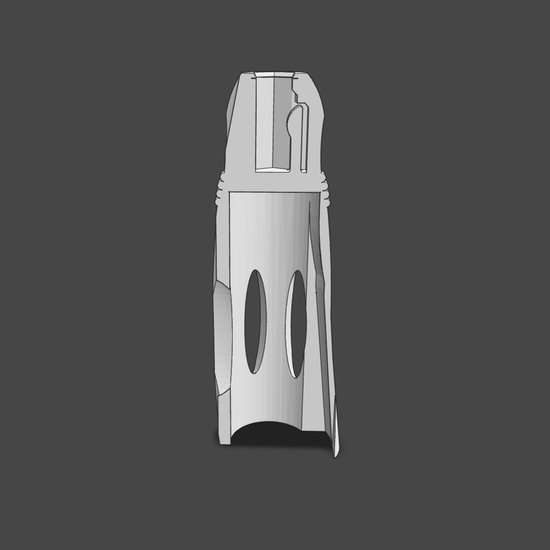
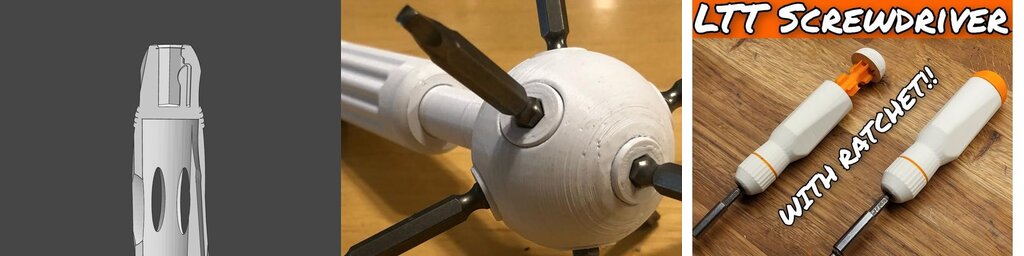
A lighter-shaped shell hides a bit-driver cavity, turning a Classic Large Clipper into a pocket tool. Choose the deeper latching version or the shorter straight one. Handy for anyone who wants a stealthy micro driver on the go.
2. Pliers Multitool
by Krazorus

Folded arms and printed catches mimic a Leatherman-style layout without screws or springs. The whole tool set pivots on printed joints, so tolerances matter. Best for tinkerers who love mechanical prints more than brute-force torque.
3. LTT Screwdriver, With Ratchet
by MKSmedia

A removable ratchet module sits inside the handle, paired with on-board storage for six bits. Direction changes are quick, and your bits stay organized in one place. Great for flat-pack furniture builders who hate hunting for bits.
4. The Fully 3D Printable Screwdriver
by 3DM_Prints

Two fully printed tip variants (Phillips and flathead) keep this build metal-free and straightforward. It’s a simple “print it and use it” approach with no inserts to source. Ideal for light-duty household tightening and quick fixes.
5. Compact 3D-Printed Screwdriver Powered by a Repurposed Servo Motor
from Cults3D
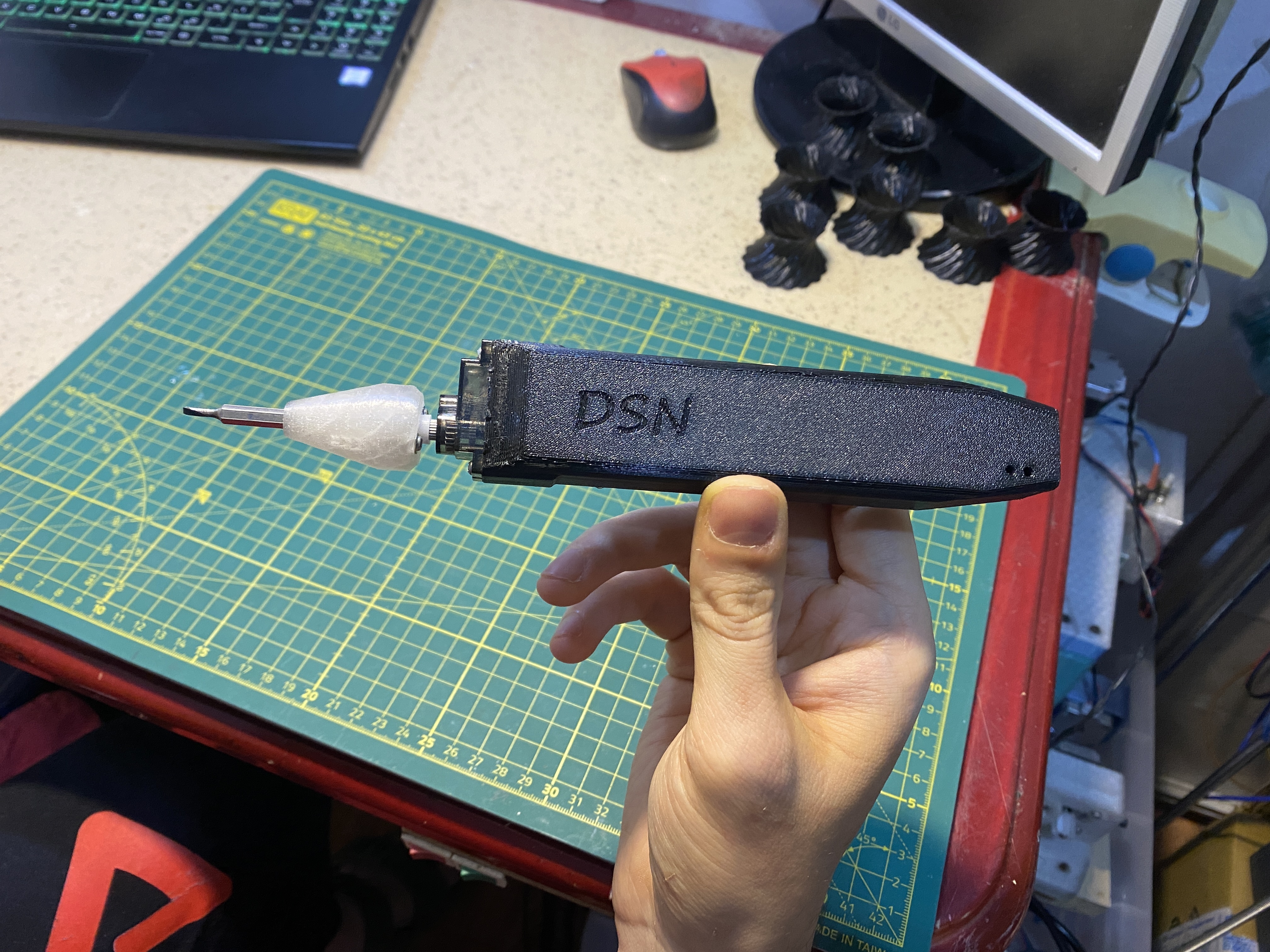
A compact housing is designed around a repurposed hobby servo, giving you push-button powered driving in tight spots. It’s a fun way to turn spare electronics into a tool. Perfect for makers who already have a servo in the parts bin.
6. ⚡ Electric screwdriver
from Cults3D
/https://fbi.cults3d.com/uploaders/15405962/illustration-file/7efc5971-f2c9-49cc-8df6-c9ffba8f99bc/snapchat-746715722-1.webp)
Built around the N20 gear motor series, this set includes files for charger and boost-converter brackets to complete the system. It’s more of a full mini tool build than a single print. Best for DIYers who want a tidy electric driver project.
7. Pliers
from Thingiverse

Print-in-place hinge geometry means the jaws and pivot come off the bed ready to move, no pins required. A reinforced gyroid lattice in the jaws is meant to soak up strain during gripping. Great for light clamping, bending, and workshop experiments.
8. Ultimate Screwdriver an overly engineered
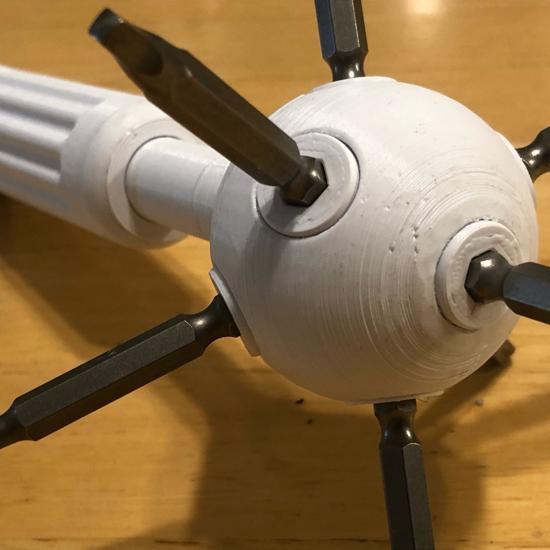
A spherical hub with multiple bits radiating out makes this feel like a mechanical gadget more than a normal driver. It’s intentionally over-engineered, with a look that begs to be handled and shown off. Made for desk display and conversation-starting tool nerds.
9. Revolver | 2-Speed Screwdriver

A revolving midsection gearbox switches between high-torque and high-speed with a selector gear and sun gear. That two-mode feel is rare in printable hand tools and rewards careful printing. Ideal for people who bounce between delicate screws and tougher household fasteners.
10. Mini Phillips Screwdriver
by Wynn-3D

Tiny overall length keeps it usable in cramped corners and small electronics bays. The slim profile is the whole point, so print orientation matters for tip strength. Perfect for anyone fixing toys, battery doors, and small appliance panels.
Final Thoughts
Printable household hand tools shine when you need the right shape, size, or mechanism for your own space—whether that’s a pocket driver, a print-in-place plier, or a geared screwdriver that feels like a mini engineering project. Browse these models on Pixup3D and the other platforms, then tweak scale and materials to match how you’ll actually use them.
If you’re also looking for practical prints that make good gifts or small product ideas, check out 3d print ideas to sell: popular gifts for home office setups.
Frequently Asked Questions
Are 3D-printed hand tools strong enough for real household use?
For light-duty jobs—battery covers, small screws, gentle gripping—many printed tools work well. For high torque or stubborn fasteners, printed tips and pivots can fail, so consider hybrid designs or keep expectations realistic.
Which filament is best for durable household hand tools?
PETG is a solid all-around pick for toughness and layer adhesion, while Nylon (and fiber blends) can be even stronger if your printer can handle it. PLA is fine for prototypes and low-stress tools, but it can crack under shock or heat.
What print settings maximize strength for tools like screwdrivers and pliers?
Use more walls (4–6 perimeters), higher infill (40–80% depending on part), and a slightly thicker layer height (0.2–0.28 mm) for better bonding. Orient parts so force runs along layers where possible—especially screwdriver shafts and plier jaws.
Do any of these models require non-printed hardware?
The motorized screwdrivers do: you’ll need the specified servo or N20 motor and typically basic wiring/power components. Several manual tools are fully printable, but they may still work better if you add real bits, inserts, or magnets when supported.
How do I scale a printable tool to fit real screws, bits, or my hand?
Scale handles for comfort, but be careful scaling interfaces like bit sockets or gear meshes since tolerances change. When possible, edit in CAD (or use slicer scaling only on non-critical dimensions) and test-fit with a short calibration print before committing.
Ready to explore more 3D printable designs? Browse the full collection on Pixup3D and find your next print!